


Replacing windows in Wilmot
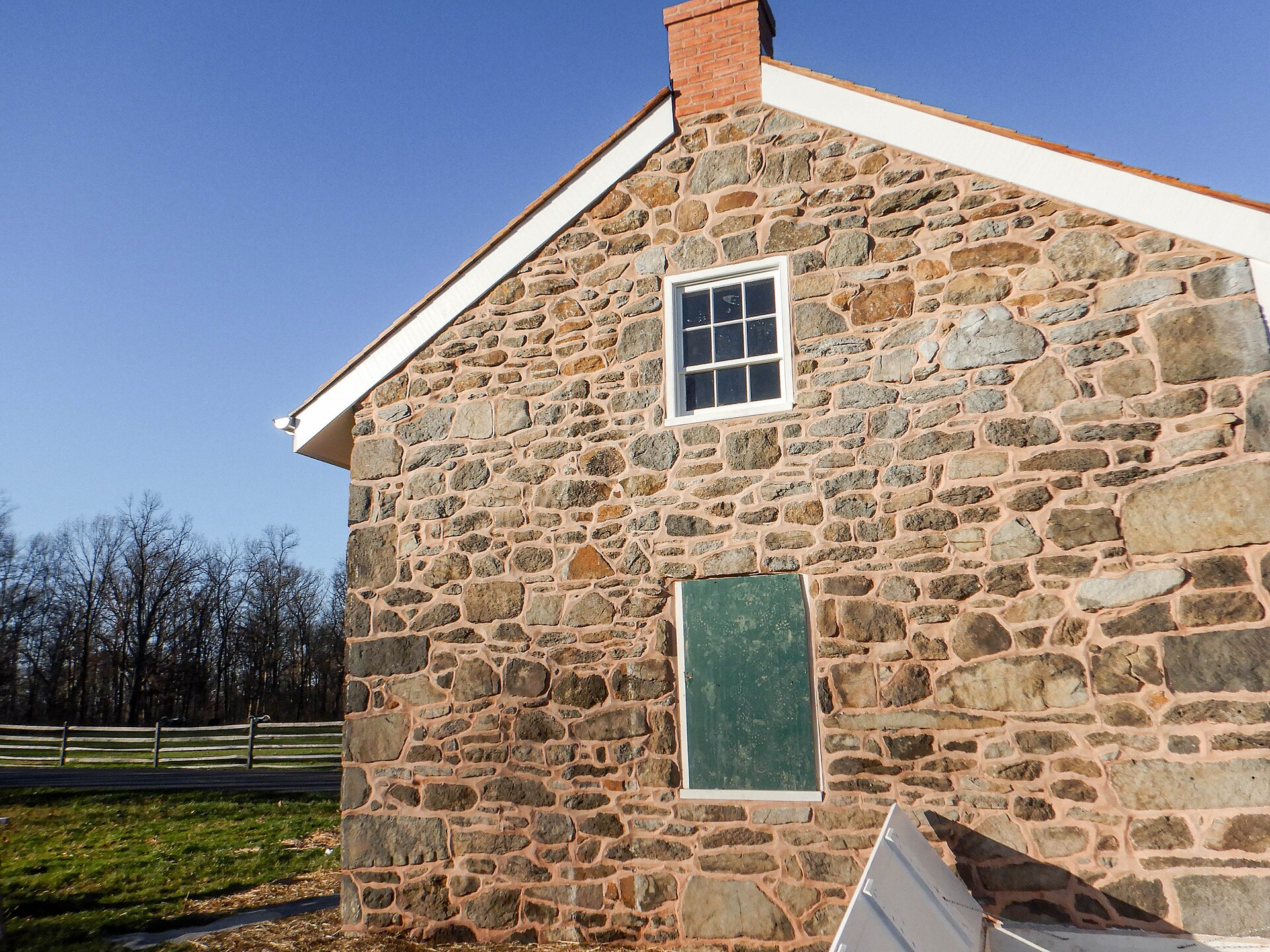
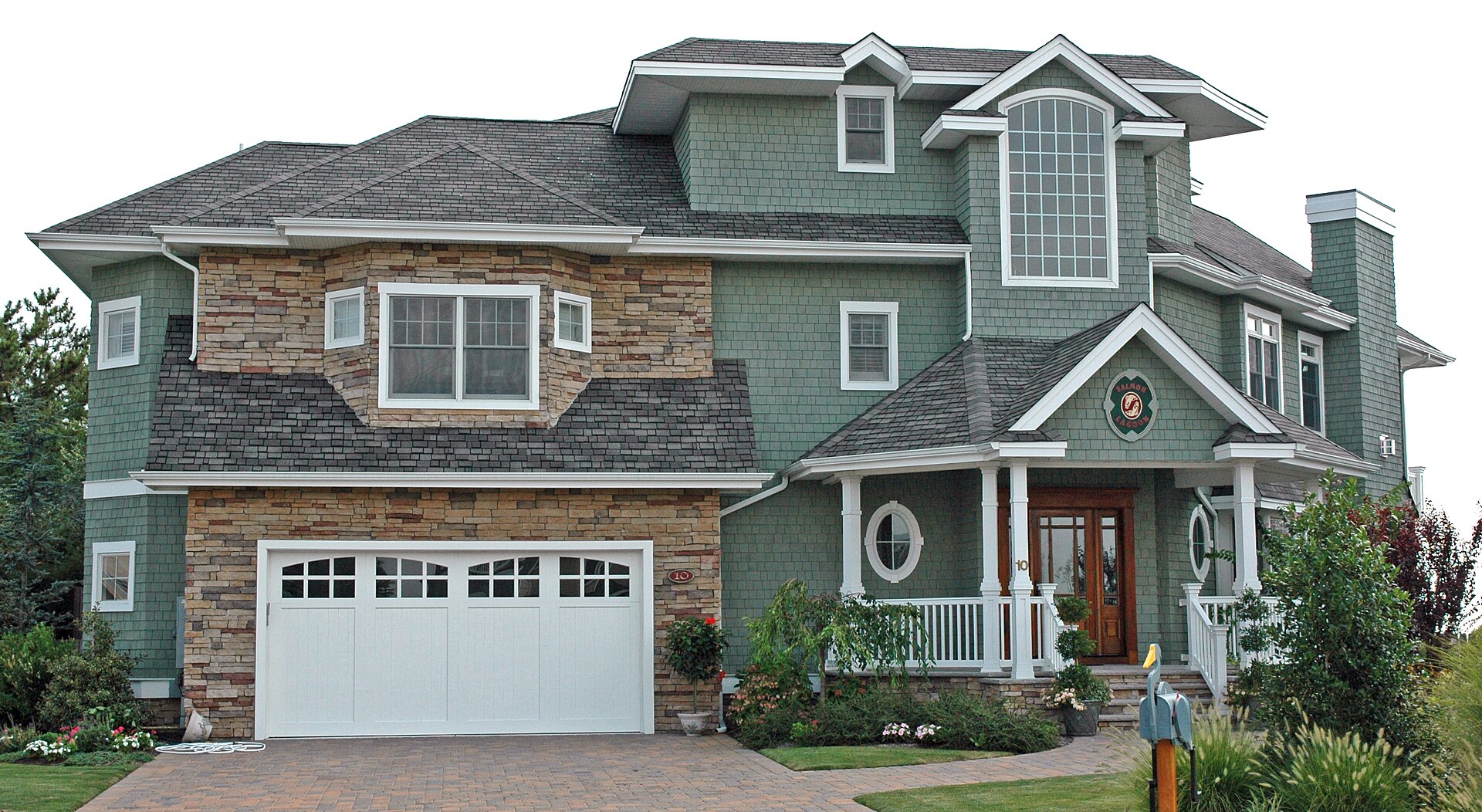
The Township of Wilmot, about 21,400 people in Waterloo Region's western farm belt, centres on Baden and New Hamburg, with century farmhouses and Mennonite farmsteads scattered across the concessions in between. The housing stock tells the township's story: 19th-century brick homes around the two village cores, older farmhouses with additions layered over generations, mid-century bungalows, and newer subdivisions as Kitchener-Waterloo pushes west. Window replacement jobs here usually mean full-frame work and careful trim carpentry on the century brick, and straightforward inserts on everything newer.
Permits and bylaw rules
The Township's [building permits page](https://www.wilmot.ca/business-and-development/building-and-construction/building-permits/) puts "door and window replacements (where there is no increase in the size of the existing opening)" on its list of projects that do not require a permit — the moment an opening grows, such as a basement egress cut-in, a permit applies and the application goes through the Township's online system. One local wrinkle: the historic cores of Baden and New Hamburg hold properties designated under the Ontario Heritage Act — the Township's heritage committee and Castle Kilbride anchors that history in Baden — and designated homes need a check with Township staff before original windows or trim are touched.
Lots, soil and climate
Wilmot is inland farm country: flat to gently rolling clay plain, open to wind from the southwest across fields with no lake to moderate anything. Winters run cold and snowy with a long heating season — the practical argument for triple-pane, ENERGY STAR-certified glazing and for quotes that itemize low-expansion foam and air sealing of the rough opening rather than stopping at the caulk line. The clay soil holds water, which matters for exactly one job: a basement egress window needs an excavated well that drains, and clay ponds where sand passes water, so ask how the well weeps before anyone digs. Village lots are compact; farm lots are long drives that add travel time to every visit.
The season
Crews serving Wilmot book busiest from late spring through early fall, with the September–October rush of owners tightening houses before heating season. Harvest season is the rural wrinkle: farm households lose patience with crews blocking a laneway in September and October, so scheduling around field work is a real conversation in this township. Winter replacement is normal practice — a room at a time — though deep cold limits exterior caulking and foam; quotes gathered in the quiet winter months get shorter lead times and less scheduling pressure.
What drives the price and what to ask
Quotes swing on insert versus full-frame replacement (century openings usually need the frame), rebuilding and repainting sills and interior trim, custom sizing for non-standard historic and farmhouse openings, masonry work in brick walls, egress enlargements with permits and headers, triple-pane upgrades, second-storey access on tall village fronts, disposal of old units, and laneway travel for farm properties. On designated heritage homes, repairing or reglazing original wood windows is a genuine alternative worth pricing beside replacement.
Ask each window replacement company:
- Same-size replacement or an enlarged opening — and if a permit applies, who files it with the Township of Wilmot?
- If my home is designated or on a heritage street, have you handled heritage approvals before?
- Are you quoting insert retrofits or full-frame replacement, and what condition are the sills in?
- Do my basement and bedroom windows meet today's egress dimensions, and what does enlarging cost with the permit?
- For a basement egress well in clay, how will it drain?
- What does the written warranty cover — glass, seals, hardware, labour — and is it transferable? Are your crews your own, WSIB-registered and insured?