




















































Replacing windows in Vaughan
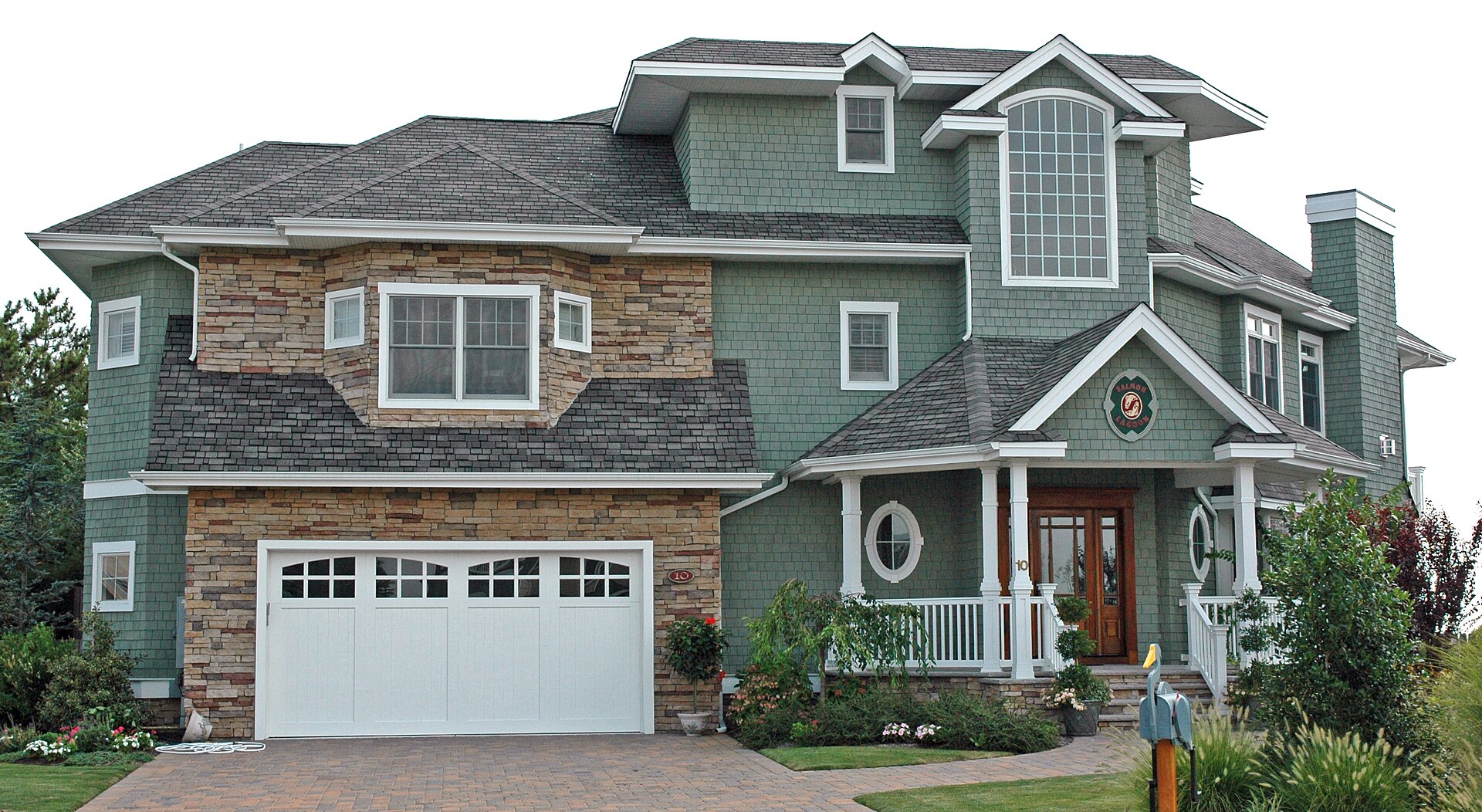
Vaughan, population about 323,103, is five older communities — Thornhill, Woodbridge, Maple, Kleinburg and Concord — wrapped in three decades of new subdivisions. Thornhill and Woodbridge carry the oldest stock: century brick and 1950s–1960s bungalows and storey-and-a-halves. Maple is post-war through 1980s, and the fast build-out of Vellore Village, Carrville and the corridors around Highway 400 and Rutherford added thousands of 1990s–2010s two-storeys whose builder vinyl is now due. Kleinburg's village core is heritage territory, and the Vaughan Metropolitan Centre condos are outside the replacement market altogether.
Permits and bylaw rules
Vaughan states both sides of the line on its own pages. The city's [building permits page](https://web.archive.org/web/20260718184510/https://www.vaughan.ca/residential/building-and-construction/building-permits) lists replacing existing windows and doors among the work that does not require a building permit. The city's [door and window openings page](https://web.archive.org/web/20260719093144/https://www.vaughan.ca/residential/building-and-construction/building-permits/building-permits-homes/door-and-window-openings) draws the other side: a building permit is required when installing a new door or window opening in an exterior wall, or when increasing the width of an existing window or door opening. Applications go through the city's online permitting portal. If a qualified designer prepares the drawings, the city requires the designer's details on them.
Basement bedrooms must meet the provincial egress dimensions, which is what usually triggers an enlargement and a permit. If a property is designated under the Ontario Heritage Act — a live possibility in Kleinburg and parts of Woodbridge and Thornhill — window changes go through heritage approval before anything else.
Lots, soil and climate
Vaughan's climate is moderate GTA weather, so the glazing story is summer sun and air-conditioning costs more than deep winter cold; low-E glass and argon fills earn their keep on west- and south-facing walls. The city is threaded with Humber River valleys, and homes on ravine lots take more wind and weather on the exposed faces than sheltered street-side walls — worth pointing out when the measure is done. Soil across the city is generally stable former farmland; the pricing story on older homes is masonry and settling, not ground conditions.
The season
The comfortable install season runs April through November, longer than most of the province, and same-size swaps go through winter one opening at a time. Spring and early fall book out first; mid-winter quotes see the shortest lead times.
What drives the price and what to ask
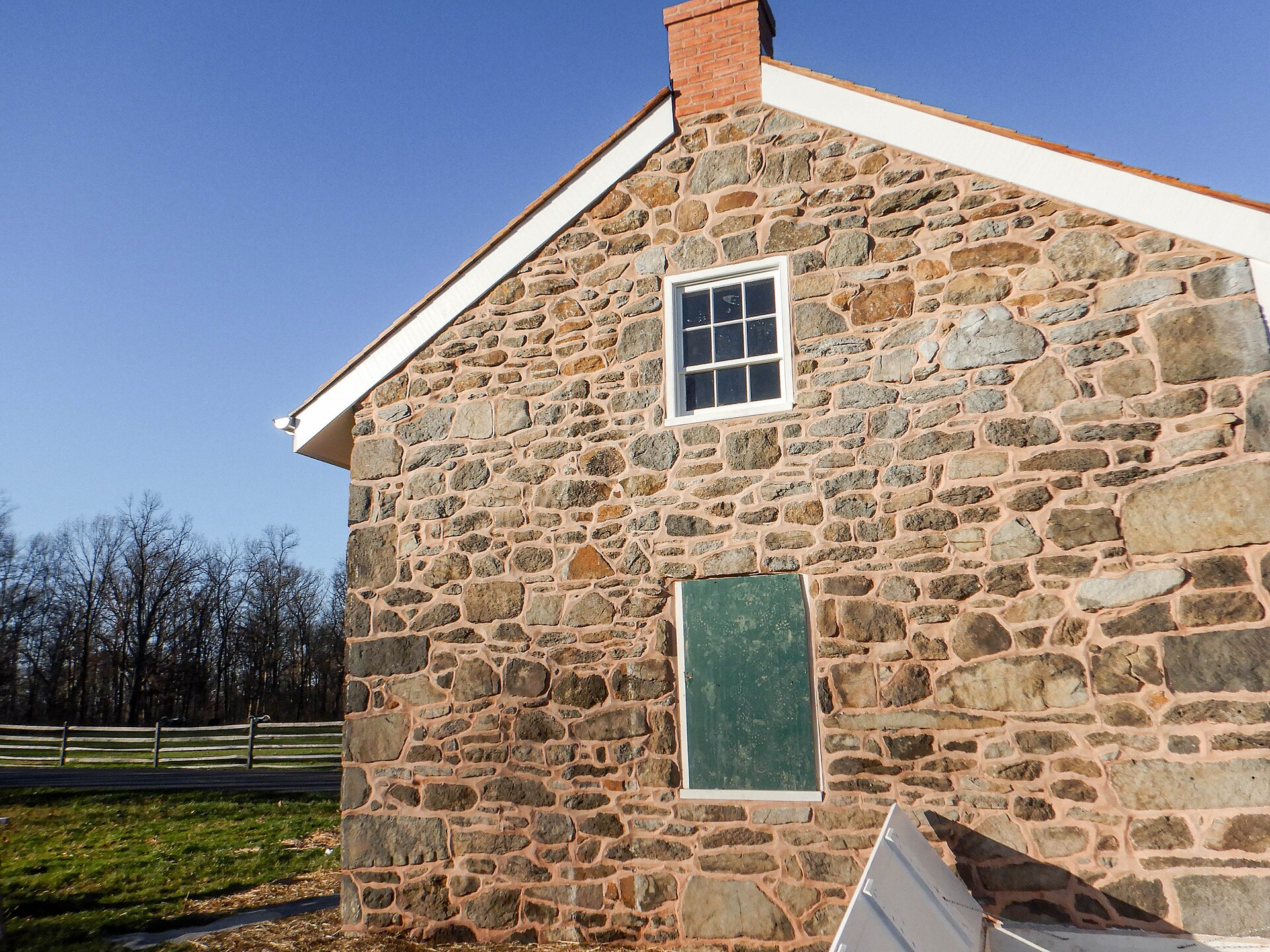
Quotes in Vaughan separate on the age of the house and the count of openings. Older Woodbridge and Thornhill brick carries sill, lintel and masonry work and pushes toward full-frame replacement; the 1990s–2000s subdivisions are insert work priced by window count, and large homes carry twenty-plus openings where small per-window differences move the total sharply. Egress cut-downs for second suites, custom shapes and grid patterns, and glazing upgrades all move the number.
Ask each window replacement company:
- Is this a like-for-like replacement the city exempts from a permit, or does your quote change any opening size?
- If an opening is new or being widened, who prepares the drawings and submits the application through the city's portal?
- On my older brick home, are you quoting an insert retrofit or full-frame replacement, and what condition are the sills and lintels in?
- On the ravine-facing side, what glazing do you recommend for wind and sun exposure?
- Have you done egress enlargements for basement suites, including the window well and drainage?
- What does the written warranty cover — glass, seals, hardware, labour — and is it transferable? Are your crews your own, WSIB-registered and insured?