




Replacing windows in Pickering
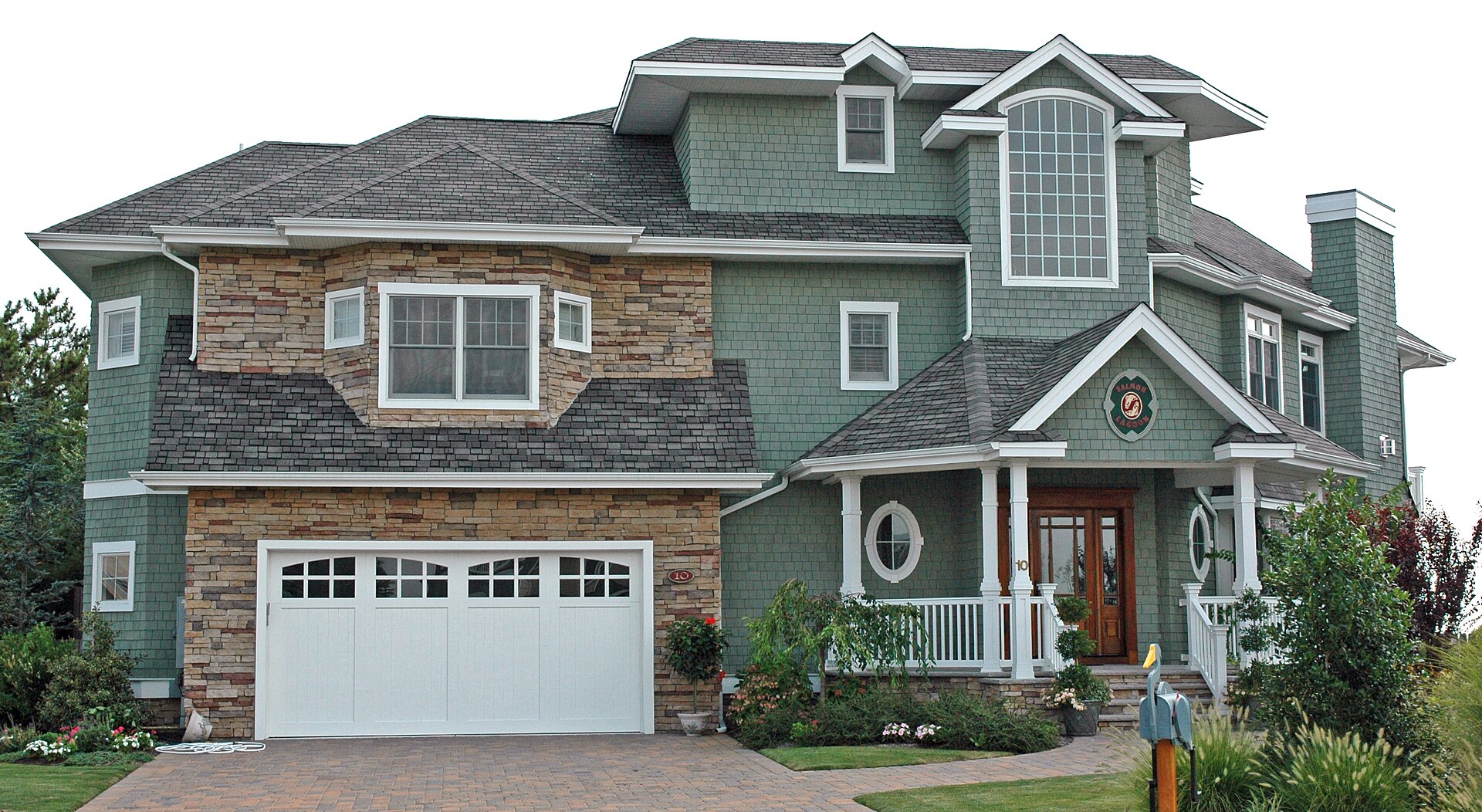
Pickering, population about 99,186, stretches along the north shore of Lake Ontario at the east end of the Greater Toronto Area, from the waterfront neighbourhoods around Frenchman's Bay, Bay Ridges and Rosebank through the family subdivisions of Dunbarton, Liverpool, Highbush and Amberlea, up to the rural villages of Whitevale, Brougham, Claremont and Kinsale and the new Seaton community in the north. The housing stock is just as wide a spread: post-war bungalows near the lake, 1970s and 1980s two-storey subdivisions through the middle of the city, century homes in the villages, and brand-new construction in Seaton. Most replacement jobs here trace back to original single-pane or early double-pane units that have passed their service life.
Permits and bylaw rules
The City of Pickering's [building permits page](https://www.pickering.ca/business-building-development/building-and-renovating/building-permits) draws the line clearly. Replacing windows in a house needs no building permit "provided no size, lintel, or location change" — but a permit is required for "new windows or doors where there were none before" and for "enlarging or relocating existing windows or doors." That means a like-for-like swap on an upper floor is paperwork-free, while cutting a basement bedroom egress window — new opening, larger opening, or a change that touches the lintel — goes through Building Services (905.420.4631). Ask your installer who prepares and files that permit application; it is a standard part of an egress quote.
Lots, soil and climate
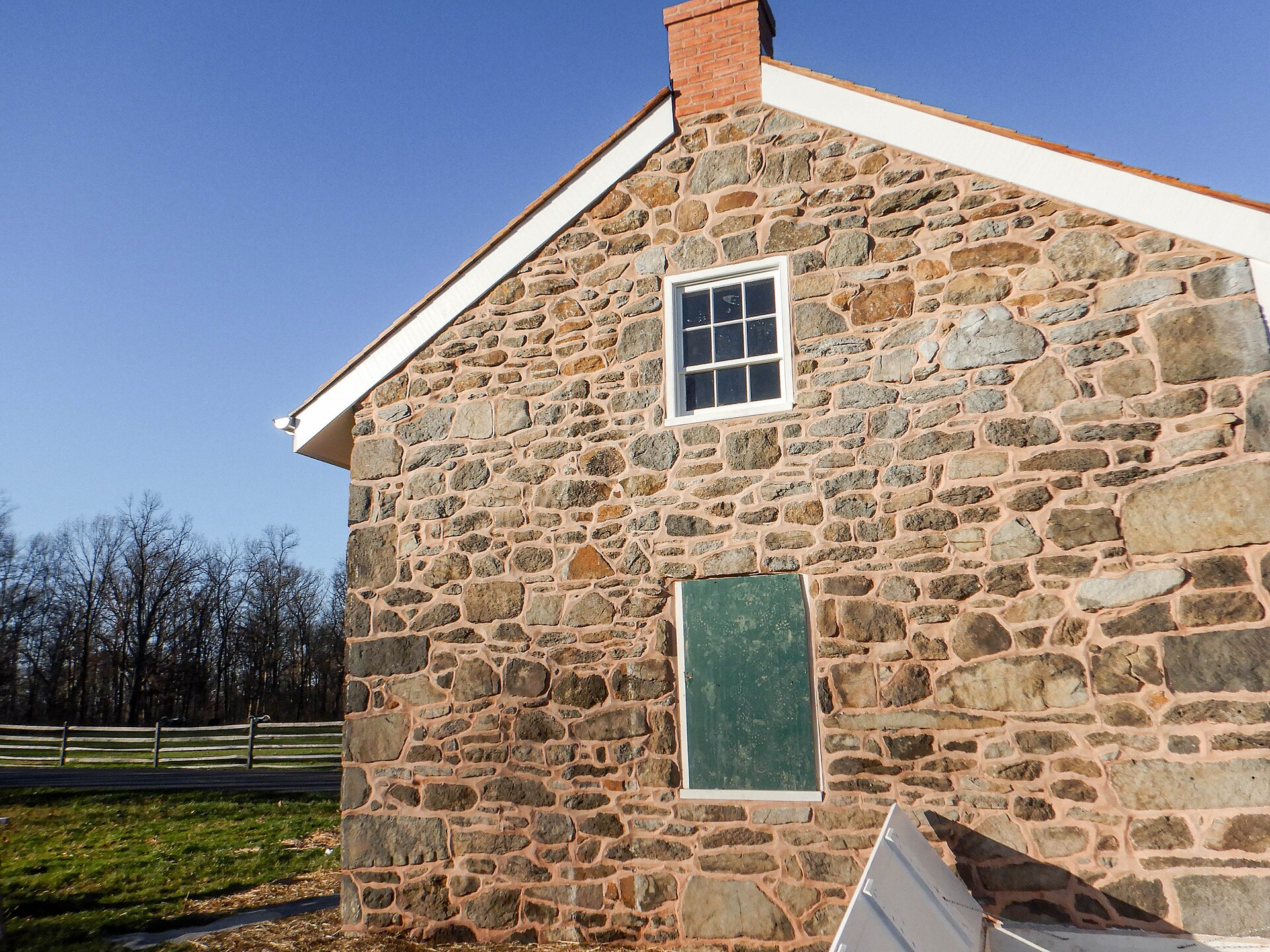
Lake Ontario moderates Pickering's temperatures but loads the waterfront with wind, driving rain and freeze-thaw cycles that work on sills and rough openings — especially in the older bungalows near the shore. Soils across most of the city are glacial till with a heavy clay component that holds moisture, so basement window wells in the lower-lying areas near Duffins Creek and Petticoat Creek need working drainage, not just a new unit dropped in the hole. Mature trees in the 1970s and 1980s subdivisions complicate access and protection of landscaping, and village homes in Whitevale, Brougham and Claremont often carry non-standard masonry openings that need custom sizing rather than catalogue units.
The season
Install season runs May through October at full pace, with the strongest demand late spring into early fall. Whole-home retrofits are usually booked weeks ahead. Winter replacement stays routine a room at a time with containment, and quotes gathered in January and February generally see the shortest lead times before the spring rush.
What drives the price and what to ask
Price in Pickering moves first with the age of the house: older bungalows and village century homes often need full-frame replacement with sill and framing repair, while newer subdivisions take insert retrofits in a day or two. Beyond that, basement egress enlargements add permit and cutting costs, second-storey and hard-access sides add labour, homes near the lake justify higher wind-rated and Low-E glazing packages, and custom masonry openings in the villages add millwork charges.
Ask each window replacement company:
- Is my job a same-size replacement, or does it enlarge or relocate an opening — and if so, who prepares and files the City of Pickering permit?
- Are you quoting insert retrofits or full-frame replacement, and what condition did you find the sills and rough openings in?
- If I need a basement egress window, does the finished opening meet the Ontario Building Code minimum of 0.35 square metres of openable area with no dimension under 380 millimetres, and is the permit in the price?
- How do you handle window-well drainage and backfill in clay soil around basement units?
- What glazing and ENERGY STAR rating do you recommend for a windy waterfront lot versus a sheltered one?
- What does the written warranty cover — glass, seals, hardware, labour — is it transferable, and are your crews your own, WSIB-registered and insured?