




Replacing windows in Brockville
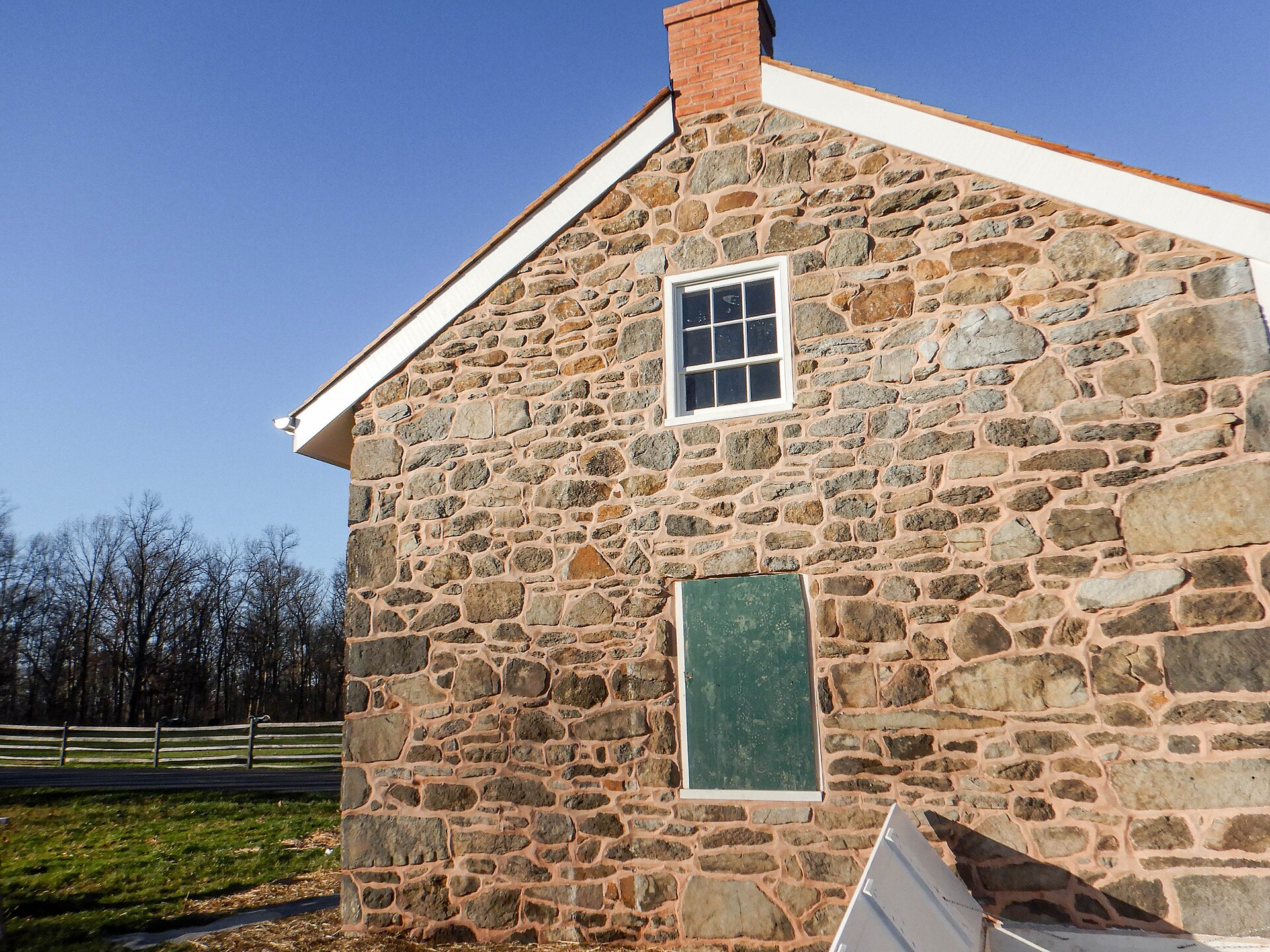
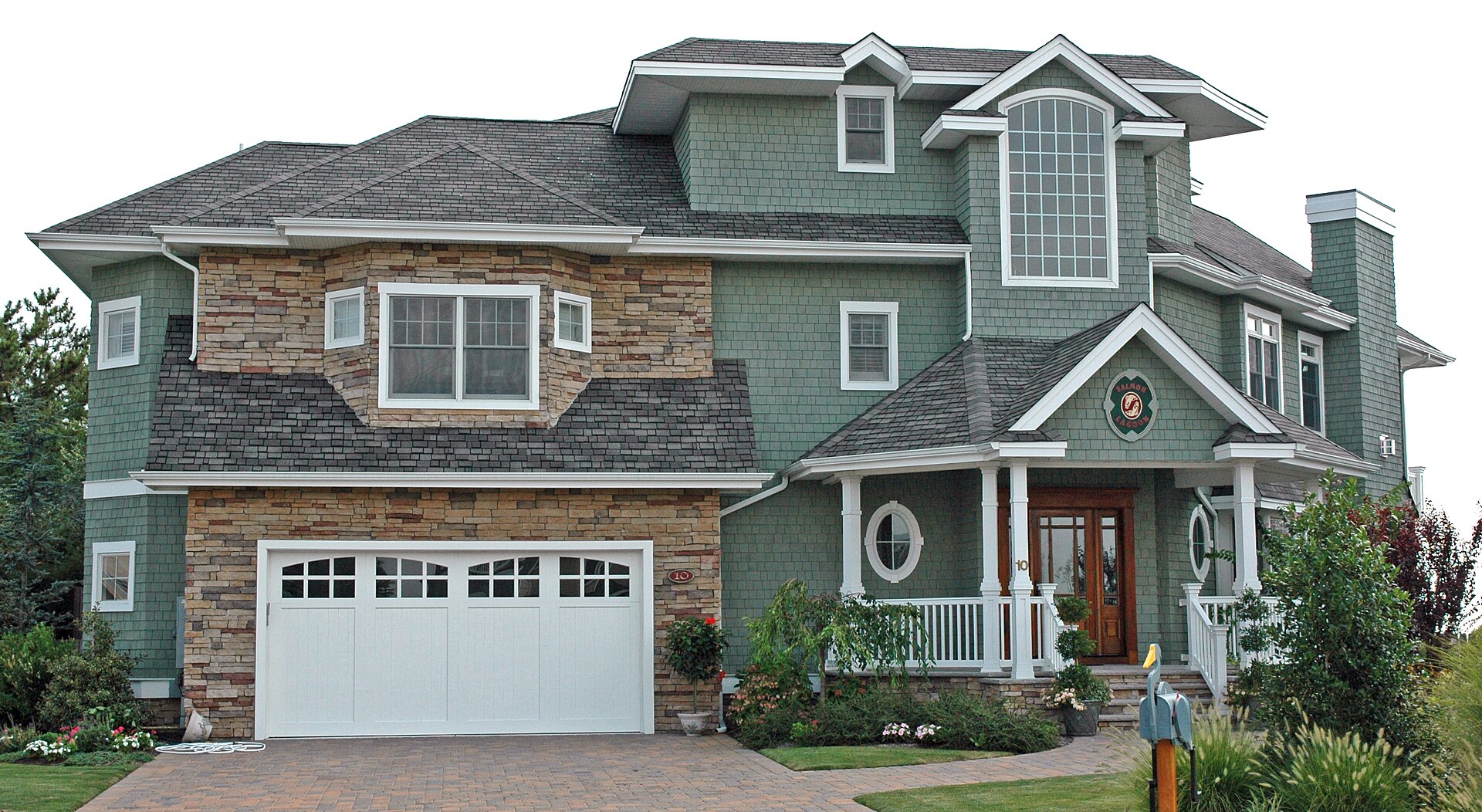
Brockville, the City of the Thousand Islands, is one of Ontario's older cities, and its 22,100 residents live in one of the province's deepest stocks of 19th-century housing — downtown brick rowhouses and stone-sided homes with original double-hung wood windows, postwar bungalows, and 1970s–1990s subdivisions spreading north. A window replacement job here is usually a full-frame job: century-old sashes leak through weight pockets and rotted sills, and matching new units into old masonry openings is a craft question as much as a product question.
Permits and bylaw rules
The City's [when you do — or don't — need a building permit](https://brockville.com/news/when-you-do-or-dont-need-a-building-permit/) page is explicit: replacing an existing window with the same size needs no permit, while a new window or an enlarged opening does — and permits run through the City's [Cloudpermit](https://brockville.com/building-business-development/building-and-construction/cloudpermit/) portal. Two Brockville-specific wrinkles matter. First, heritage: under the Ontario Heritage Act, Brockville designates properties (Part IV) and heritage districts (Part V), and [the City's heritage page](https://brockville.com/city-services/cultural-services/heritage/) names windows among the attributes that can be protected — if your home is designated or listed on the municipal register, check with heritage staff before changing anything visible. Second, if a basement egress project involves excavation, parts of Brockville sit in the Foundation Drainage Collection (FDC) System area, where weeping tile work is regulated — ask your building official when the hole gets dug.
Lots, soil and climate
Brockville winters are colder than Lake Erie country and damper than most: the St. Lawrence holds cold air and moisture into spring, ice storms are a remembered hazard in Leeds and Grenville, and river wind hammers exposed walls. That makes air-leakage control the real prize in an older home — new units plus proper insulation and air sealing of the rough opening matter as much as the glass. Older foundations here are limestone and rubble stone, so cutting an egress opening in a stone wall is a masonry job with a masonry price; on clay soils close to the river, drainage for any new window well deserves a direct answer.
The season
Installers' phones ring hardest in late summer and fall as owners race the heating season. Brockville's river-valley shoulder seasons are short and damp, so most full-house jobs are scheduled May through September. Winter replacement is normal practice — a room at a time — but deep January cold limits exterior sealing work on heritage walls.
What drives the price and what to ask
Brockville quotes swing on full-frame replacement versus insert (heritage stock usually needs the frame), rebuilding and repointing brick or stone openings, custom sizing for non-standard historic rough openings, masonry cutting for basement egress, trim and interior finish restoration, and reglazing or restoring original wood windows where designation or taste calls for repair over replacement — often a serious alternative worth pricing.
Ask each window replacement company:
- Same-size replacement or altered opening — and if a permit is needed, who files it in Cloudpermit?
- If my home is designated or on the heritage register, have you handled heritage approvals before?
- Is full-frame or insert right for my walls, and what happens to the brick or stone around the opening?
- Can you quote restoring the original wood windows alongside replacing them, so I can compare?
- Do you insulate and air-seal the rough opening, and how is that shown in the quote?
- What does the written warranty cover — glass, seals, hardware, labour, masonry — and is it transferable? Are your crews your own, WSIB-registered and insured?