
Replacing windows in Brant County
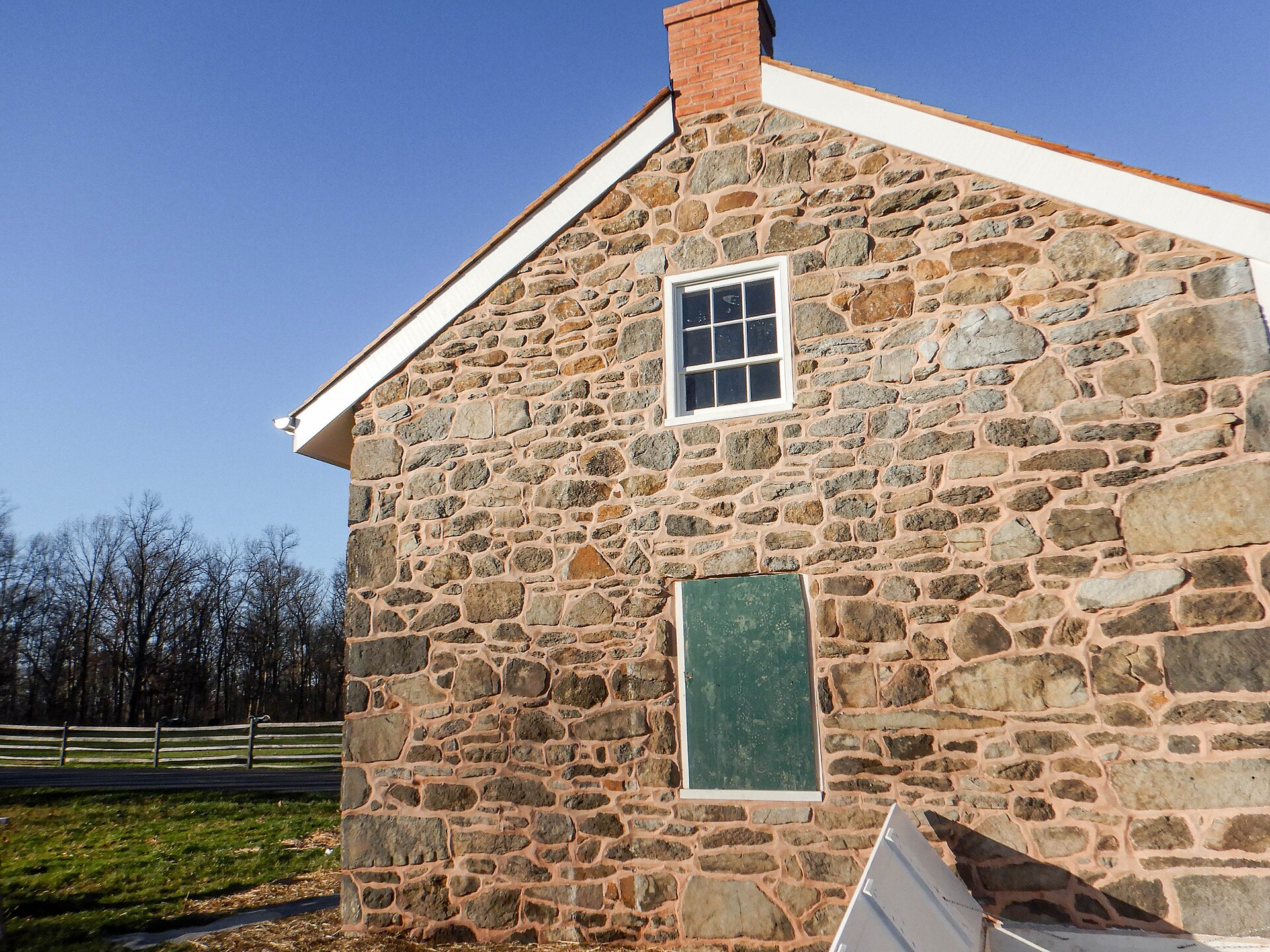
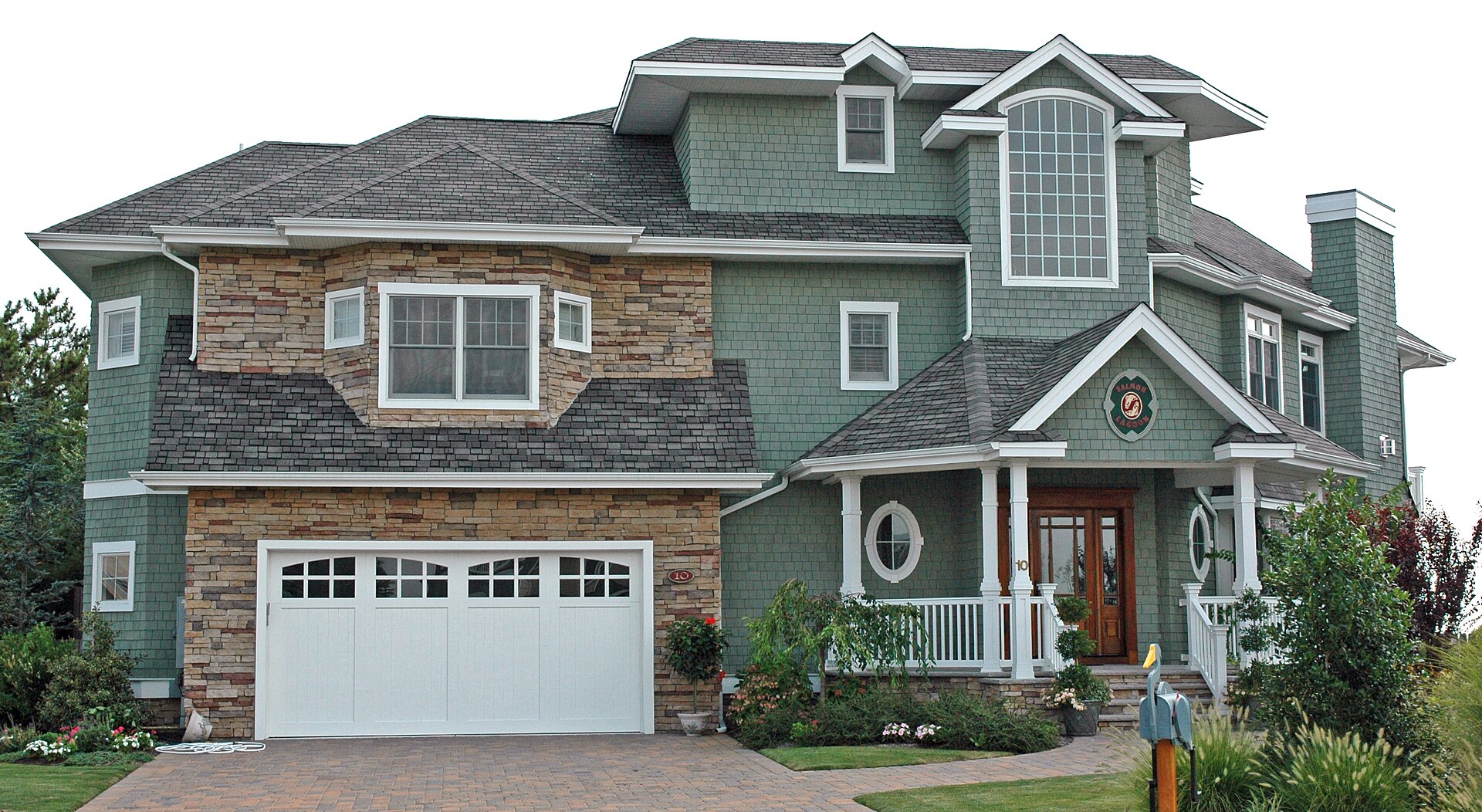
Brant County (County of Brant), home to 39,474 residents in southwestern Ontario, encompasses historic river communities and expansive agricultural countryside surrounding the City of Brantford. The county's built heritage is anchored by Paris—famed for its 19th-century cobblestone architecture and Victorian brick buildings along the Grand River—alongside historic villages like St. George, Burford, Scotland, and Onondaga. The local housing stock spans two centuries of building styles: pre-Confederation stone and brick homesteads with deep structural timber jambs and ornate trim; postwar brick bungalows and 1970s split-levels in rural hamlets; and rapidly growing contemporary subdivisions in Paris and near highway corridors. Replacing windows in Brant County requires balancing modern energy performance with architectural authenticity. While suburban tract homes can often accommodate economical insert replacement windows, heritage homes and rural stone residences require custom full-frame replacements to preserve authentic sightlines, replace deteriorated wood sills, and install airtight thermal barriers.
Permits and bylaw rules
The County of Brant's [Building Permits](https://www.brant.ca/building-and-renovating/building-permit-application-packages/small-residential-projects-building-permits) page does not list window replacement either way; it says a building permit is required for "the construction of an addition, or alteration of a residential building," so confirm with the County whether a like-for-like swap needs one before work starts. A renovation that alters the size of an opening, removes load-bearing studs, modifies a lintel, or cuts into concrete foundation walls for a new basement egress window should be treated as an alteration that needs a permit. Guidance and application packages can be found on the County of Brant [Building Permits](https://www.brant.ca/building-and-renovating/building-permit-application-packages/small-residential-projects-building-permits) and [Applying for a Building Permit](https://www.brant.ca/building-and-renovating/applying-for-a-building-permit) portals.
Heritage considerations represent a critical bylaw factor in Brant County. For a property designated under the Ontario Heritage Act, ask the County whether exterior window changes need a Heritage Permit before work begins, and whether replacement windows must match original divided-lite profiles, muntin bar patterns, and exterior trim configurations. For basement bedroom additions, Ontario Building Code subsection 9.9.10.1 requires an unobstructed egress opening of at least 0.35 square metres (3.77 square feet) with no dimension less than 380 millimetres (15 inches). Additionally, properties situated within floodplains or slope hazards along the Grand River, Nith River, or Fairchild Creek require development clearance from the Grand River Conservation Authority (GRCA).
Lots, soil and climate
Soil varies between river flats and upland fields across Brant County, so ask how a basement egress window well will drain. Properties located on elevated slopes above the river require careful surface water management to avoid foundation saturation, and window wells in clay-rich soils need gravel drainage beds connected to weeping tile systems to prevent rainwater pooling against lower window frames.
Brant County experiences a humid continental climate characterized by warm, humid summers and cold winters marked by repeated freeze-thaw cycles. To optimize comfort year-round, homeowners should choose ENERGY STAR certified double- or triple-pane windows with balanced Low-E coatings, warm-edge spacers, and argon gas fills. These assemblies reflect summer heat while trapping furnace warmth during damp winter chills, effectively eliminating interior glass condensation and drafts.
The season
The primary window replacement season in Brant County extends from April through November, when mild temperatures facilitate efficient exterior caulking, aluminum capping, and sealing. Late spring sees strong activity as homeowners repair winter weather damage, while September and October bring an influx of pre-winter efficiency projects. Qualified contractors work through the winter months using room-by-room replacement strategies to keep homes comfortable. Winter work requires low-temperature expanding foams and commercial-grade sealants rated to cure below -10°C to guarantee long-term airtightness.
What drives the price and what to ask
Pricing in Brant County depends heavily on architectural style, window materials, and structural scope. Historic homes in Paris and St. George requiring custom wood or aluminum-clad architectural units, authentic SDL (simulated divided lite) grilles, and custom-bent exterior aluminum trim carry a premium over standard subdivision vinyl inserts. Other significant cost variables include foundation cutting for basement egress windows, full-frame tear-outs versus pocket installations, scaffolding for multi-storey river-facing elevations, and heritage permit documentation.
Ask each window replacement company:
- Does my project qualify as a same-size replacement, or will you confirm with the County of Brant whether a permit is needed and obtain one if so?
- If my home is designated under the Ontario Heritage Act, do your products and installation meet the County's heritage requirements?
- Do you recommend full-frame replacement or retrofit inserts based on the condition of my existing frames, sills, and brick mould?
- What Solar Heat Gain Coefficient (SHGC) and U-factor ratings do you recommend for our Grand River valley climate?
- If creating a basement egress window, what are your excavation, lintel engineering, and window well drainage specifications?
- What written warranties cover insulated glass, hardware, and labour, and are your installers direct employees with valid WSIB coverage and liability insurance?